This post contains affiliate links. As an Amazon Associate I earn from qualifying purchases.
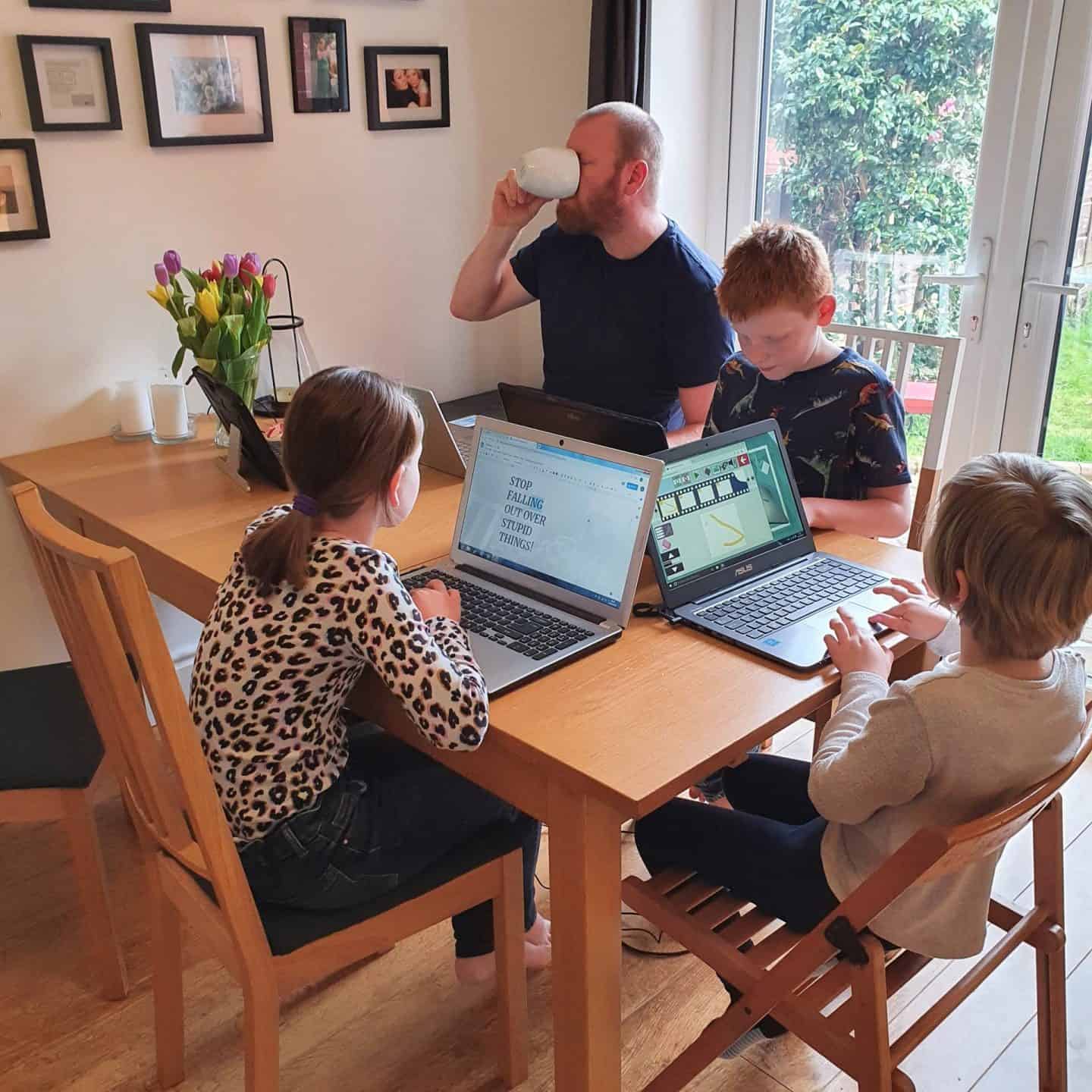
As schools are closed indefinitely and our children are confined to their homes, not just during the school week but right through the school holidays and beyond, I wanted to share a list of things to do during the school closures once their school work is completed.
This is a list we came up with together, having spent the first morning off school with a pack of post it notes brainstorming ideas – everything from ‘listen to a science podcast’ to ‘learn how to edit video’ or ‘plant seeds’.
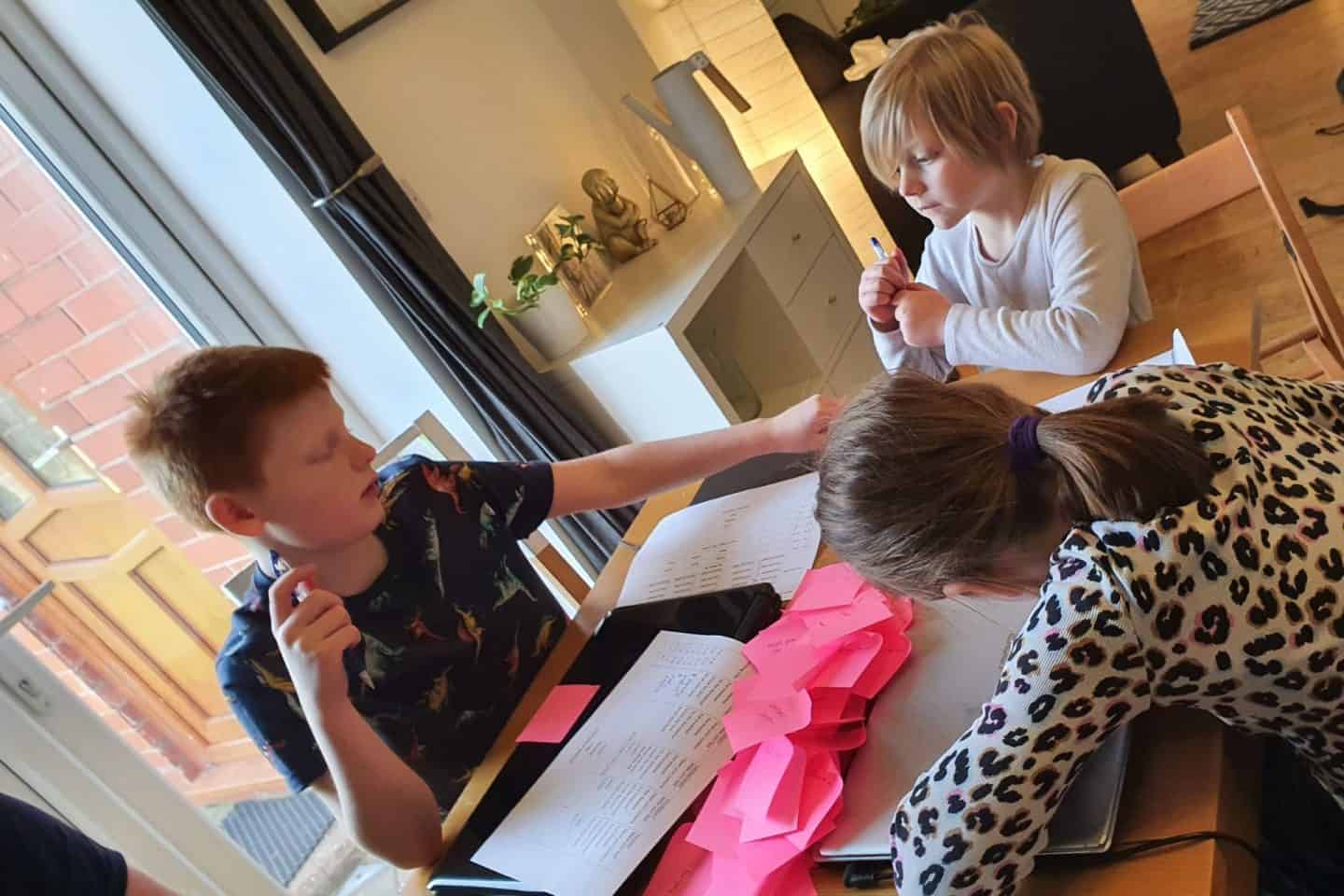
I wanted the kids to take ownership of their time and to think of their own ideas as well as adding in some of my own. We’ve since found that our school are actually providing quite a lot of work on a daily basis, so we’re looking at using this list to keep the kids busy during the Easter holidays. Hopefully sharing it will provide you with some inspiration too!
Read more about our Quarantine Routine here
50 things to do with the kids when they’re not at school!
1. Cook a meal
This could be learning to cook something new (Ben wants to add Bolognese to his repertoire) or practising an old classic (he’s already pretty good at beans on toast!). This is a great time to pick up some new skills in the kitchen! As well as the obvious benefits of being able to cook for themselves, this links into maths (weighing / measuring) and reading (instructional texts).
2. Write a meal plan & shopping list
To go along with learning to cook a meal, why not write a full week’s meal plan together? Stands to reason that if they’ve chosen and even helped to make the meals then they have no excuse not to eat them! Of course you might need to set some parameters around ingredients and budget – given free reign Amy would feed us a cycle of Nutella sandwiches and medium rare steak with broccoli and asparagus! You can set out how many times you want to eat meat in a week, how many portions of vegetables each meal must contain, or insist that each meal must use three ingredients you already have. There are so many benefits to this task – budgeting, ratios (making sure there’s enough ingredients for the recipes), nutrition etc.
3. Plant a seed
This is the perfect time of year to be planting some seeds – Chloe is keen to have another go at growing tomatoes and wants to try some strawberries this year. We already have a couple of sunflowers on the go and I’d love to grow some sweet-peas if I can! All three kids like the idea of growing their own food though we are a bit lacking in space for that one.
4. Write a diary or blog
Of course, being in isolation and off school for weeks on end perhaps doesn’t feel like the most exciting time to write a diary – there are no adventures, play dates or friends to catch up with, however this is a really important and interesting time in our daily lives (whilst simultaneously being boring as hell). I honestly think, “that time all the schools closed for months because of the Covid-19 global pandemic” will be something that is taught in history lessons in years to come – people will pore over the way our governments reacted, the recommendations scientists made and the way we as the general public reacted. Writing a diary or blog of this period could be really interesting to look back on with their grandchildren! (Read this post for tips on how to start a journal or find some journal prompts here)
5. Play a board game
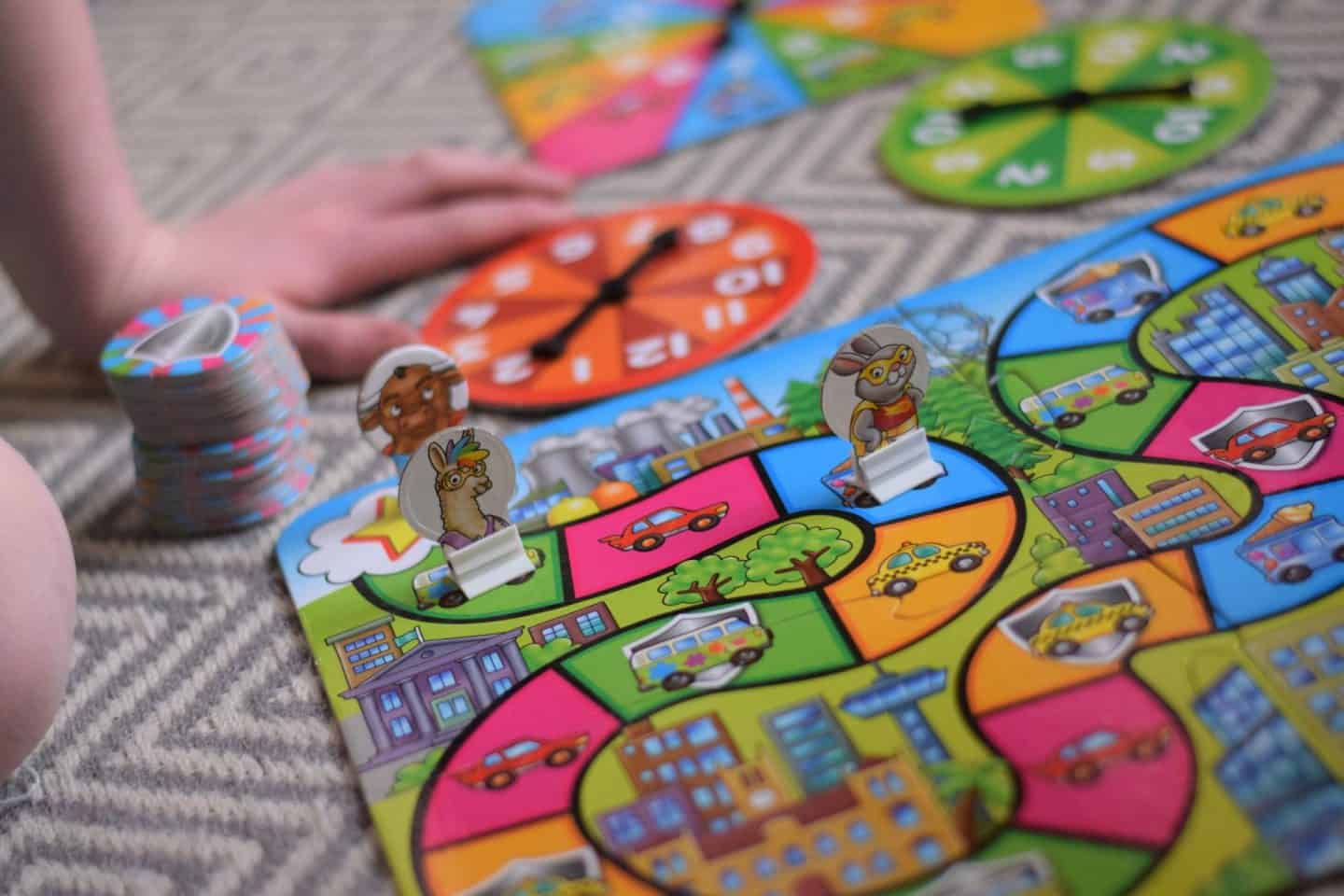
Uno / Orchard Toys / Ok Play / Dobble / I Saw It First are all popular in our house and as well as the obvious social benefits of turn taking, learning to be a good winner / loser, there are educational benefits to many of these!
6. Send a postcard
I’ve ordered a set of postcards from Amazon – they are blank on one side so the children can draw their own picture or write a positive message and then the typical message / address layout on the back. As well as keeping them writing while we are off school, it should put a smile on a few faces too!
7. Play dough
I don’t care what anyone tells you, you are never too old for play dough. We actually have quite a lot of Play Doh and various cutters tucked away in a cupboard but if you haven’t, I promise it’s really simple to make it on the hob instead (I used to do it every Monday morning when I was a Nursery teacher) – you’ll find a whole world of recipes on Pinterest and you’ve probably got all the ingredients in your kitchen cupboard already!
8. Learn to edit video
This one might be a bit niche – I’ve done a bit of video editing with Ben before and he wants to learn some more during this period of home-schooling. You don’t have to be an expert to get started though – you edit and cut together video clips on your phone or tablet then set them to music. Just play around and see what you come with!
9. Make a board game
Chloe started this at school last week – she has made a board game to help children practice their SPAG knowledge (which made me laugh!). Your board game could be based on any familiar game with any theme you like – there could be an educational purpose or just for fun. Designing the game, writing instructions and testing it out / evaluating it are all good skills to practice. (Chloe noticed an error in her game when they played it where you ended up stuck in a loop moving five spaces forwards and then backwards again so she needs to fix that!)
10. Learn to play guitar (or any other intstrument you have to hand!)
Again possibly a little niche but both Ben and Dave want to learn to play guitar. Dave has found some youtube tutorials to try out and they just need to sit down and crack on now – making the most of being able to practice more regularly than usual!
11. Learn to touch type
I learned to touch type at night school before I went to university – Mum couldn’t believe we hadn’t been taught at school and she felt it was a really valuable skill. She wasn’t wrong. There are plenty of apps and websites to help children (and adults) learn to touch type – building speed and accuracy on the keyboard would definitely be time well spent.
12. Learn five new facts
It doesn’t matter what they are – just learn five new facts and remember them to share with someone else later. All kids love a, “Did you know . . . ” moment! You can leave this as wide open as you like or make it about a specific topic – either something your child has been learning at school already or something they are interested in: Can you learn five new facts about hippos? Find out five facts about the English Premier League? Write down five facts about World War 2. (They could make a poster or presentation about their facts or video call Granny and teacher her something new!)
13. Make a joke book!
This was a popular idea when I suggested it to the kids at the start of the week – we thought we could write down all the jokes that we already know and then research new ones to add as well! Ben is keen to illustrate the book for us.
14. Write instructions for . . .
Can you write instructions for something simple like making a sandwich or getting dressed in the morning? Make sure the instructions are appropriately detailed, in the right order and use bossy verbs (imperative verbs). If making a sandwich or getting dressed is too simple, what about set of instructions for a Minecraft build?
15. Learn to fold a new origami model
Ben loves creating origami models and the internet is awash with tutorials (in much the same way my house is awash with paper birds). You can also buy origami books, pre-printed paper and kits.
16. Paint a picture
Much as I hate the mess and faff that comes with setting up and clearing away paint, Amy loves it so being allowed to paint a picture or two will keep her busy for a good while!
17. Do a jigsaw
We don’t really have a lot of jigsaws in our house any more – but it’s definitely a great way of keeping your brain occupied!
18. Have a go at sewing
This could be learning to sew for a purpose – fixing holes in socks, sewing buttons back on or attaching Beavers badges on uniform or it could be for a more creative purpose – a cross stitch kit. (I remember loving using Binca and embroidery thread as a child!)
19. Watch a BBC learning programme
The BBC have a huge array of educational programming available – this is the time to make the most of it! You should be able to find something related to topics that have been covered at school or just something that piques your interest.
20. Write a post-lockdown bucket list
Write a list of all the things you’re really looking forward to doing when we’re allowed out again – for me this is simple things like going out for a meal or taking our new puppy out for a walk somewhere pretty!
21. Practice times tables
We’ve recently tried out a couple of Orchard Toys Multiplication Games which were a hit, you can also use Times Tables Rockstars (it is quite common for schools to subscribe to this app now but if not you can subscribe as a family). Keeping on top of timetables practice will stand your child in good stead when we eventually get back into the classroom!
22. LEGO
There is also time for LEGO right? At least that’s what Ben would tell me!
23. Learn to ride a bike
This one is specific to Amy as learning to ride her bike was a target she set herself at the start of the year – of course with the weather being so brutal through February and early March, her bike has yet to leave the garage. We’re hoping that as part of her daily allowed exercise, Dave can teach her to ride her bike!
24. Window drawings
You might have seen lots of rainbows in windows around your local community – some of these are painted, some are collage, we’ve used chalk pens to create ours and the kids are looking forward to using the chalk pens in windows too.

25. Bake
Baking isn’t really my forte – but even I can whip up a batch of buns or a healthy-ish cereal bar – and if you can’t manage that then rice crispie cakes will do! Just the act of reading a recipe and making something nice to eat keeps the kids occupied and their brains ticking over!
26. Make a poster
What about making a poster encouraging people to follow social distancing / lockdown guidelines, reminding people to wash their hands or thanking our NHS heroes? It could be displayed in your house or even in your window for passers by to see.
27. Listen to a podcast
Ben loves a science podcast called Tumble – he listens to it regularly and is often spouting random science facts at me! The BBC have a range of (mostly educational) podcasts for children too. (If you’ve got any podcast recommendations for kids I’d love to hear them!)
28. Write a story
Chloe has a real passion for writing and has ambitions to be a famous author when she’s older so writing a story is one of her favourite ways to pass the time! (You can also hunt out writing competitions to enter online if you need a bit of purpose or inspiration).
29. Learn how to spell some new words
You can easily find lists of words children in each year group are expected to be able to spell – so you could work on these in chunks of 5 or 10 at a time – or why not find some more unfamiliar words to learn to spell. You can look words up in a dictionary, use them in a sentence to show you understand and them and then try to use them in conversation or writing during the course of the week!
30. Take photographs
My kids are well used to seeing me with my phone or DSLR in hand, snapping away. Perhaps this is the time to teach them how to use the camera, or how to frame a shot!
31. Do some colouring in
Colouring in for the sake of mindfulness has been popular for a good few years now – don’t under estimate the value of a nice pack of pens and some fancy patterns! This is one I fully intend to do along side my kids!
32. Write a film synopsis
Can you write a brief summary of your favourite film? There’s a lot of film watching going on in our house right now – writing a synopsis of the film is a great way to add some learning into that!
33. Write a travel review (you could even put it on Trip Advisor)
Think back to your favourite day out or holiday – what was so great about it? Could you write a review for Tripadvisor? Have you got any hints and tips for visiting that you think other visitors might need to know? Or have you been somewhere you thought was really rubbish? Karen from Mini Travellers also accepts submissions from children – writing for a purpose and a real audience brings meaning and value to the task.
34. Start a gratitude journal
It’s easy to be grumpy about all the things we are missing while we are stuck at home – but sometimes we just need to re-frame our thoughts and think about we do have. A great example of this that I’ve seen on social media over the last few days is that rather than thinking “I’m stuck at home”, we should try to think, “I’m safe at home”. What are you grateful for right now?
35. Write a letter
Our girls have been writing letters and messages to their friends to pop through their letter boxes while they are out on their daily walk – they love doing it and their friends love to receive them. I also made sure we’ve got some stamps so that they can write a letter or draw a picture to send to Granny & Grandad or Aunty Nic too.
36. Write a set of house rules / expectations
Safe to say, we’re not used to spending all our time with each other – and perhaps our expectations need to change. For example, we’ve set out the expectation that everyone has to be dressed and ready to start their “school day” by 9am having made their beds, opened their curtains, eaten their breakfast and brushed their teeth. We’ve also agreed no screens before lunch time on a weekend as it would be easy to spend all day watching tv / playing Xbox and I want to make sure the kids have some variety in their days.
37. Make a digital mood board
Come up with a theme and make a digital mood board – perhaps travel plans, life ambitions or even just how you want to decorate your bedroom! Find ideas of pinterest or google images and make a mood board.
38. Write down 10 things you want to know & research the answers
This could be about a set topic – what do you want to know about the vikings / the weather / Covid-19 / owning a fish – write down 10 things you want to know and then research the answers either the old fashioned way in a book, by asking someone who knows or diving into Google!
39. Do some handwriting practice
Remember when you were a kid and you went back to school in September feeling like you’d forgotten to write?! Our kid are going to be feeling this in a big way when they eventually get back to school – make sure they keep picking up a pen and writing. You can find handwriting worksheets on Twinkl to keep them going!
40. Have a go at a wordsearch or puzzle
There are plenty of places to find wordsearches or puzzles online – print a few off and have a go! (Check Twinkl for age appropriate ones with key word or topic themes)
41. Write a persuasive text
Write a persuasive letter – Chloe wrote one to her teacher this week all about why she thought he shouldn’t bother giving out homework anymore, Ben recently wrote one to his headteacher proposing a change to playtimes. You could write a letter persuading your neighbour to follow social distancing rules – explaining the benefits of this and what the problems could be if we don’t stick to the guidelines.
42. Scavenger Hunt
A scavenger hunt can be really easy to set up – you can make a sheet of things to find and tick off (similar to the phonics scavenger hunt I did with Amy a couple of years ago) or just set a challenge of “Can you find me 10 red things?” or “Can you find me 5 things beginning with S”.
Check out this list of the best outdoor scavenger hunts for more ideas.
43. Make a collage
You can’t beat a bit of cutting and sticking – you could make a picture from bits and pieces around the home, find some things from the garden. What about a collage rainbow?
44. Why not learn some Circus Skills?
Lucas Jet has an array of exciting tutorials available online from learning to juggle with socks to plate spinning! Why not learn a new party trick!
45. Learn a new language!
Download the Duolingo app – you can use it for free with some ads or there is a paid version which allows unlimited daily use – and practice your French / Spanish / German / Japanese / Hindi . . . there’s nearly 40 languages on the app to try! Chloe is doing Spanish as that’s what she learns at school, Dave, Amy and I are all doing French and love it!
There some great tips here for learning a new language too!
Phew . . . so that’s our list of things to do as it stands and it’s 5 short of the 50 I promised you as some of the ones on the list were actually duplicates! Hopefully it will have given you a little inspiration and I’ll be sure to come back and add some more ideas as they come to me!
If you need inspiration for older children – check out these awesome lists: 20 Lockdown Activities for Teens or 74 Things for Teens to Do During Lockdown. You’ll find a great list of flower-themed crafts here, some great ideas for mess-free craft sets here or even instructions for homemade chalk for the path