
Last Updated on 13 March 2024 by Colette
This post contains affiliate links. As an Amazon Associate I earn from qualifying purchases.
Some time ago wrote a post about the fact that 20% of parents never read with their primary age children, and I’m often heard explaining how, in my opinion, reading with your child is the single most important thing you can do to help your child progress at school.
As a teacher I was all, “How hard can it be to just read your child’s school book with them each day?” however, as I parent I know exactly how hard it is. I know that between school runs, swimming lessons, cooking tea, work and general day to day life, finding five minutes to sit and read isn’t always that easy. It can be even harder to find five minutes when your child actually wants to stop what they are doing and read their school book to you too!
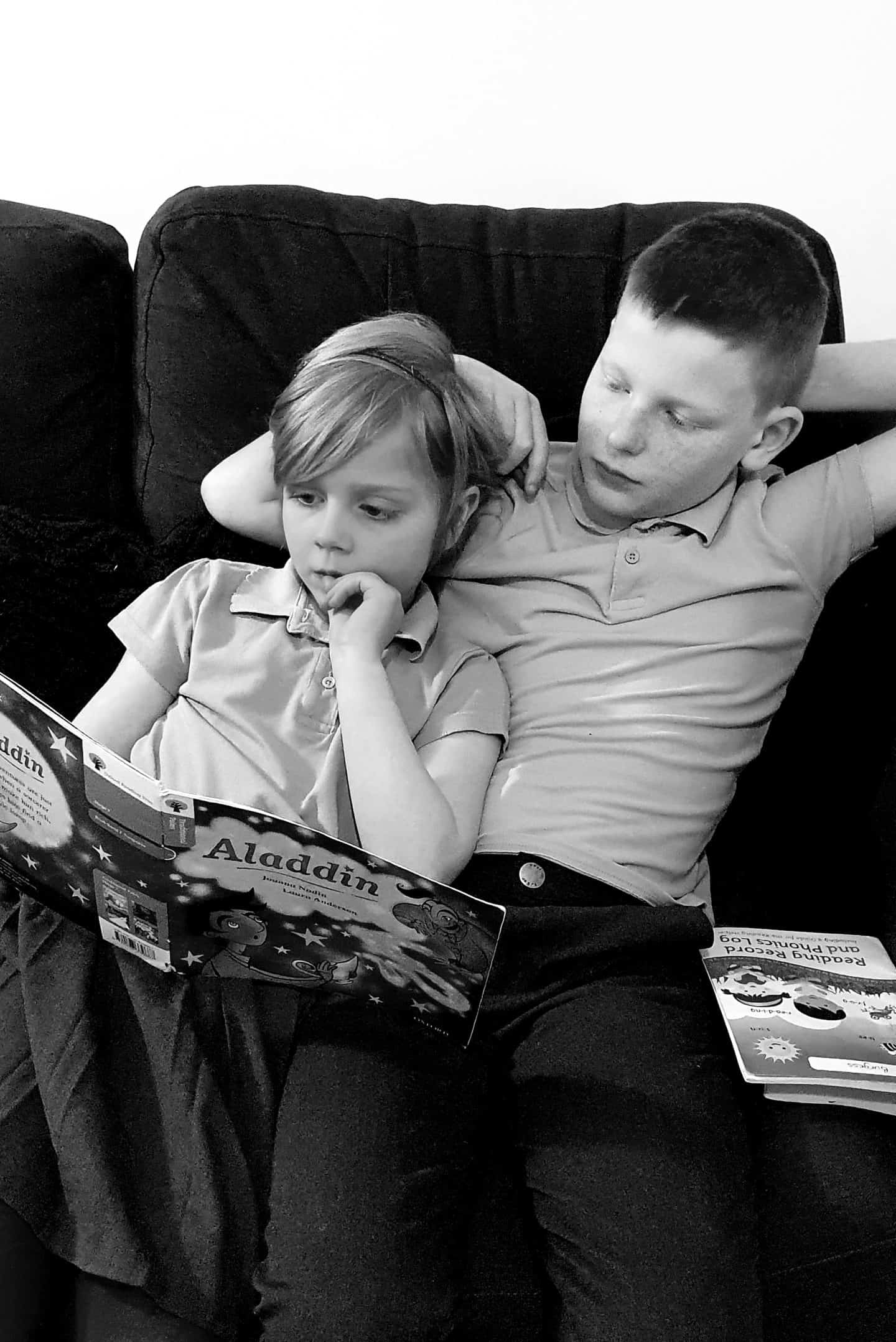
If your child isn’t in the mood for reading there really is no point. Forcing them to read when they don’t want to isn’t going to get you anywhere fast. You will end up frustrated, as will they,and frankly it’s not going to foster the love of reading that we all hope for.
I met Cressida Cowell at an event a few years ago and I remember her speaking passionately about the need to get our children reading for pleasure. She explained that there’s a lot of competition for their attention and so many things are easier than reading – sitting down in front of a film, playing video games – but that if we can relate books to film or football we might just catch their attention. She said that there is no such thing as a child who can’t be excited about reading, they just haven’t found the right book yet.
With Ben, he just found the school reading scheme so dry and dull that he had no desire to read it whatsoever and as such wasn’t moving through the levels – yet he was devouring books at home that I knew were of a much higher level. I was really worried about “turning him off” reading so we had a chat with his school and came to an agreement about how we could move forward. (They ended up letting him skip the rest the scheme and jumping him to free readers as his most recent reading test had put him years ahead of his actual age.)
With this in mind, I wanted to share some tips for squeezing reading into your child’s day without them even realising – obviously this isn’t going to take the place of sitting down, reading that school book and writing it in their reading record – but, every little helps.
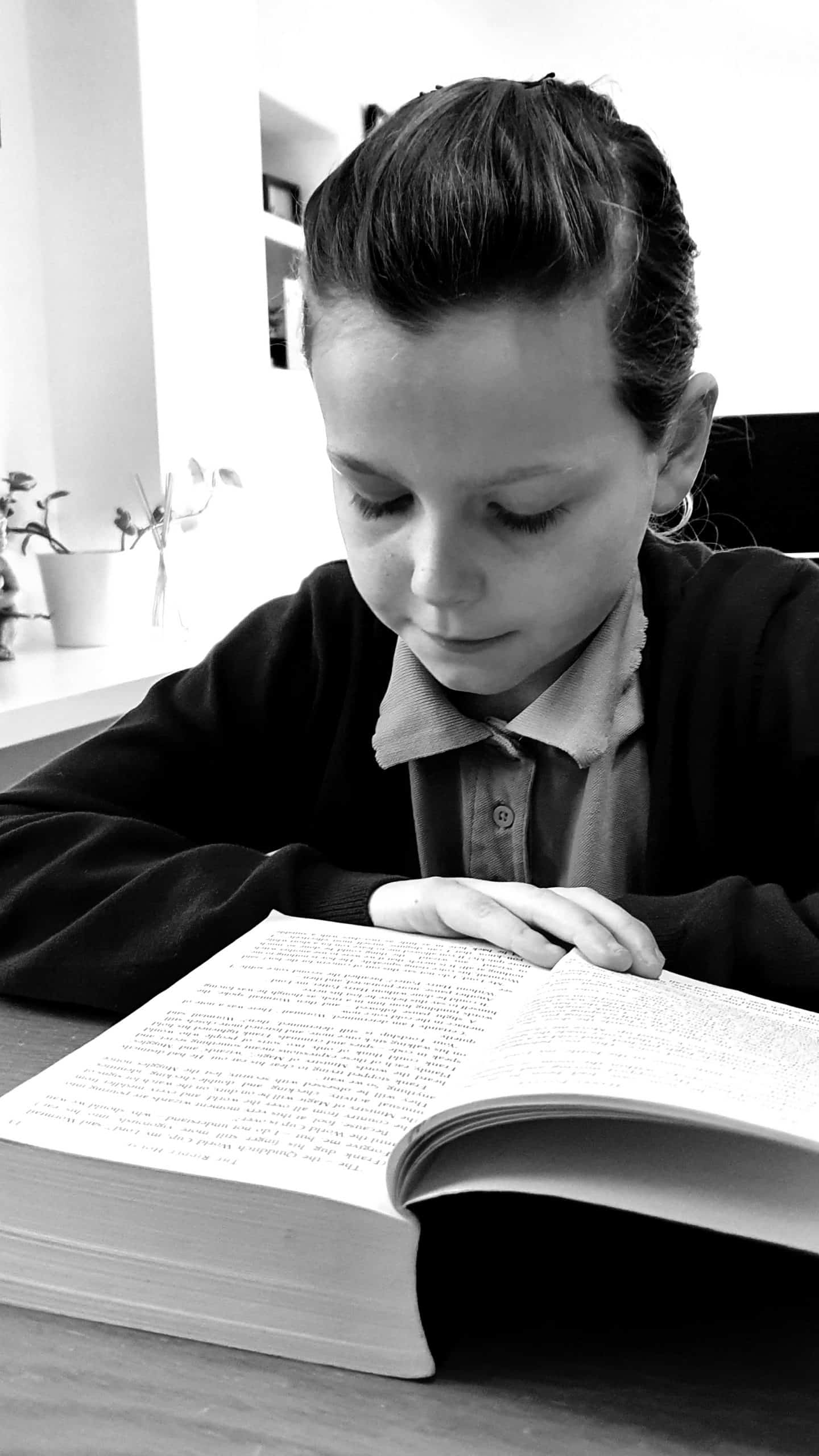
Reading with your child doesn’t always have to mean sitting down and reading their school book from start to finish. If your child really doesn’t want to read, will they listen to you read to them instead? Can you take it in turns to read a page each? Can you read to them and then ask them questions to check their understanding? Obviously they do need to be reading the books school have sent home but taking it it in turns or reading the story to them first might just take the pressure off.
Don’t under estimate the benefit of a bedtime story for fostering a love of reading, developing children’s imagination, understanding of story and the wider world. We read bedtime stories to Ben from 5 weeks old and they became a staple part of the bedtime routine for all three children. Now that Ben and Chloe can confidently read for themselves and actively choose to read for pleasure we don’t tend to read to them anymore – they have a shared kindle library and an ever growing Amazon wishlist of books. Amy has dropped her bedtime stories with Dave & I a lot younger than the other two – she now tends to have an audiobook at bedtime.
If your child doesn’t want to sit and read their book, you can play games with books and ask questions like, “Can you find me X word in your book?” or “Who is the first character to speak in your story?“
What about playing a board game – “Can you read me the instructions so we know how to play properly?”
Or making a cake? “Can you read me the recipe so we know what do next?”
Make use of print in their natural environment too – “What letters can you see on the car registration plate? Do you know what sounds they make?” or “Can you read that sign for me? “What does that newspaper headline / article say?”
There are so many ways to sneak reading into your child’s day without them even realising it but don’t forget that children learn what they see – make sure they see you reading for pleasure as well as for purpose! Take time to sit down and read a book or magazine, let them see you doing that and enjoying it, encourage the them to sit down with you and read alongside you.
Happy reading!

If you have enjoyed this post and found it helpful, here are a few ways you can say thanks and support We’re going on an adventure:
Click here to buy me a virtual coffee – it’s like a little tip jar but with caffeine!
I’d love for you to tag me in any photos of your adventures on Social Media if one of my posts has inspired you to visit
Click here to leave We’re going on an adventure a Google Review
Share this post with your friends – you’ll be helping me and them!
Follow We’re going on an adventure on Facebook or Instagram

This is the hardest thing here. N is fine at school reading because he knows he has to, but reading for pleasure isn’t something he gets. It’s painful getting him to do his 10 mins a day. Even now that he’s not getting away with it now because there’s no reading.school let him tale in his books to read if there’s none in the library available for him. But he’ll only read when he needs to know something, so a recipe, or instructions. While his reading age is a bit above his age, his comprehension is weaker because he just won’t read more than is necessary. Even the head teacher has tried to think of ways to try but still not getting anywhere. He’ll be in her class next year so maybe that will help because she’ll not let him get away with it. It’s frustrating because he loves books, borrowing or buying them, and likes a story read (getting harder now he wants to watch tv shows that make bedtime later (thanks to the OH for saying yes to those!), but getting him to share that reading is a nightmare.