
This post contains affiliate links. As an Amazon Associate I earn from qualifying purchases.
I recently read and shared a post from Ghostwriter Mummy: What they don’t know about the sickness which got me to thinking about how lucky I am not to have ever really been struck with more than a bout of queasiness when I was hungry or too tired, but more to thinking about a number of friends who have suffered at the hands of the Hyperemesis Gravidarum and the far reaching consequences of this illness.
Unless you know someone who has suffered from HG you are unlikely to know much about it so with that in mind, I’m hosting a guest post today from Caitlin Dean who writes at Spewing Mummy.

Hyperemesis Gravidarum – what it is and how to get help
We all expect a certain amount of feeling and being sick while we’re pregnant and many of us actually look forward to it in a weird kind of way… it’s a sort of rite of passage, a reminder of the life growing inside you and an indication it’s progressing well. Most of us know it’s not always in the morning and that for some people it’s a bit worse than others. But sadly there is not nearly enough awareness of just how serious the severe end of the spectrum can be. When you’re throwing up constantly and can’t keep anything down you don’t just have morning sickness, you have Hyperemesis Gavidarum (HG).
Let me put HG in context… before modern IV therapy and anti-sickness medication it was the leading cause of death in early pregnancy. If I had been born more than 100 years ago I likely would have died in my first pregnancy. Even now some women experience such life threatening severity and complications that they have to make difficult choices not just about the baby they carry but about future family plans as well.

In the scheme of things I was lucky. Despite vomiting over 2,000 times during my first two pregnancies we still felt able to face it again with better medical care, and now my family is complete with my three little terrors. I was also able to escape Hyperemesis without long term mental and physical damage and consider myself a stronger and more capable person thanks to it. I’ve turned my awful experience into a positive and am now driving a fearless force forward to improve care, treatment and support for women suffering now and in the future. I’ve even written a book about it which will be out in September Hyperemesis Gravidarum – The Definitive Guide.
But I am truly one of the lucky ones as my role now as a national spokesperson for the condition brings me in constant contact with hundreds of women who have not escaped so lightly. Long term post traumatic stress symptoms, anxiety, phobias, damaged relationships, oesophageal and digestive problems and a whole host of other side effects from Hyperemesis Gravidarum abound amongst survivors. These tough women who have been through so much continuously inspire me to keep blogging and raising awareness so that women of the future can suffer less and therefore recover more easily.
So how do you know if what you have is worse than normal “morning sickness” and what can you do about it?
If you think your symptoms are more severe than they ought to be then they probably are! Women tend to put up with a lot during pregnancy so if you feel this is significantly more severe than you had expected then seek help.
If you are vomiting more then 5 times a day or you can’t keep food or fluid down then that needs treatment.
If you are getting dehydrated then you need treatment. Signs of dehydration to watch for would include not having a wee for over 8 hours, and you wee being very dark and concentrated. Dehydration is dangerous for you and your baby!
Another sign to watch out for is significant weight loss. It is not unusual to lose a bit of weight in early pregnancy, chances are you’ve stopped drinking high calorie alcohol and are eating healthier than usual. But if you aren’t managing to eat, or keep food down and therefore weight loss is more extreme, more than 5% of your pre-pregnancy weight, then you need to seek help. Malnutrition is not healthy for you or the baby!
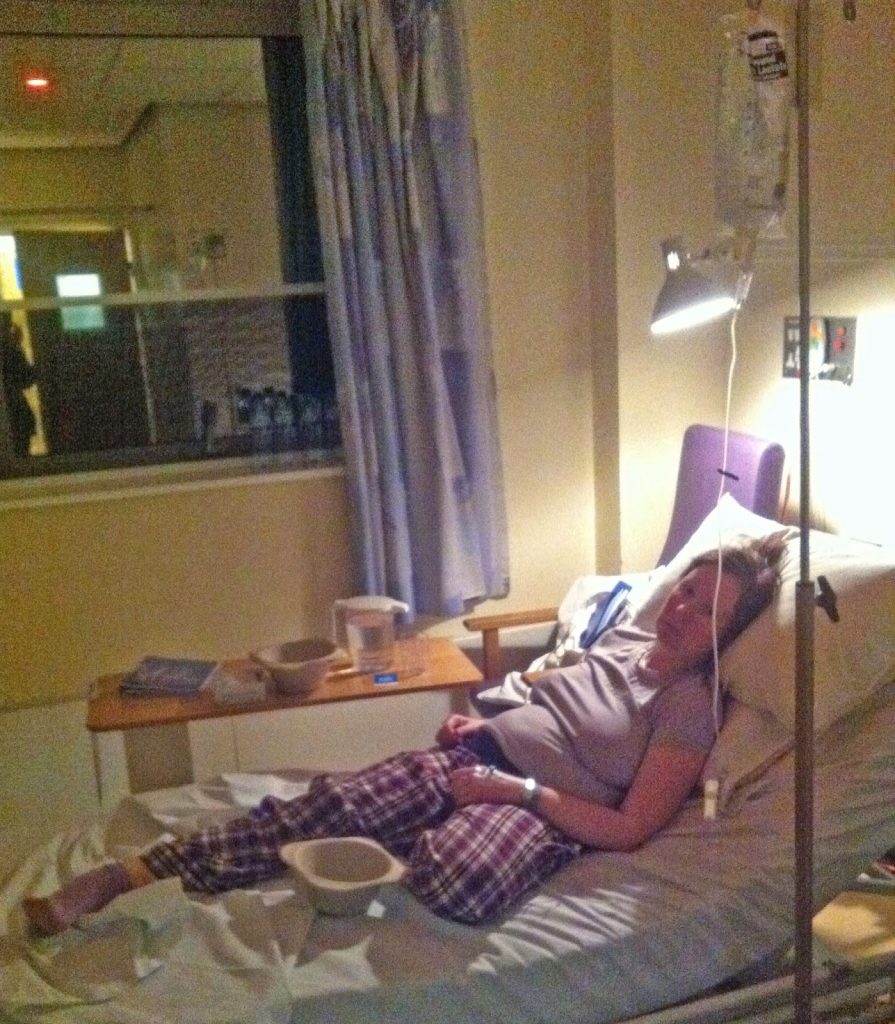
Where should you go for help and support?
For medical treatment your GP is usually your first port of call. Across the UK there are many wonderful and experienced GP who will give you, not just effective and safe treatment, but empathy and kindness too. Unfortunately there are also a whole lot of diabolical GP’s who will make you feel pathetic, weak and selfish for needing treatment, they may also not give you any treatment due to ignorance about the drugs available. So what can you do if your GP is one of the bad ones? You have every right to go try another GP. You may find other ones at the same practice are just as bad, or you may not. If they are then you can go to any other GP practice (in your area), register there and see another doctor. Alternatively if your GP says you shouldn’t take medication you can ask for a referral to a consultant at hospital who would have more experience and confidence in treating HG. If you contact the charity Pregnancy Sickness Support and they can see if they have details of an “HG Friendly” doctor near you.
On my Spewing Mummy blog I also have lots of posts about how to seek help and information for partners about how to advocate for women suffering HG with their doctors. Hyperemesis Gravidarum – The Definitive Guide also contains masses of information about the treatments available, how to approach your GP or consultant and advocate for your self and care plans you can use to ensure you are getting the best treatment possible. You can also get emotional support via the Pregnancy Sickness Support network and forum. Check out their website for more details about how to register for both.
Awareness about hyperemesis gravidarum is on the increase and care and treatment for it is improving rapidly in the UK. Although we don’t have a cure for it, the medications make it a survivable condition and with greater public awareness and increased emotional support available we hope it will limit less families and cause less long term trauma to the women doomed to suffer it. I also hope to inspire women to use their negative experience with this horrendous, joy stealing condition to the advantage of others… the more people get involved in the Hyperemesis Improvement Movement the less our daughters will suffer in the future. We are no longer having to suffer this condition alone, so seek the help available when you need it and then pay it forward for the future.
About me – I’m a registered nurse who suffered Hyperemesis Gravidarum three times. I now work tirelessly to raise awareness about the condition and to provide support to thousands of women around the world. I blog as Spewing Mummy and I’m a trustee for Pregnancy Sickness Support. My book, co-authored with Amanda Shortman will be out in September.


Thank you so much for all that you do to raise awareness. When I first started being sick I had no idea that I was to go on to suffer so much, and no idea that pregnancy sickness support even existed. I was so lucky to have a GP who understood and who was happy to prescribe medication to help me. Being so ill is so so hard, and with 3 kids to care for and a husband who works away, there have been days that I now cannot believe I managed to get through. HG is not something I would wish on my worse enemy and I can only thank my lucky stars that I have not suffered as much as most. That said,today has been a head down the toilet day… but the end is in site. Thank you for sharing your story and for giving women like me hope x x x x x
I would have been lost without your blogs and updates. Nearly at 40 weeks and grateful I was not the only one with my head down the loo feeling like a massive failure. Thank you. Cat T
Brilliant post Caitlin and thanks Colette for hosting x