Last Updated on 20 December 2024 by Colette
If your child is going to be starting school in September, be that full time in Reception or perhaps starting Nursery, you might be wondering what you can do to help prepare them.
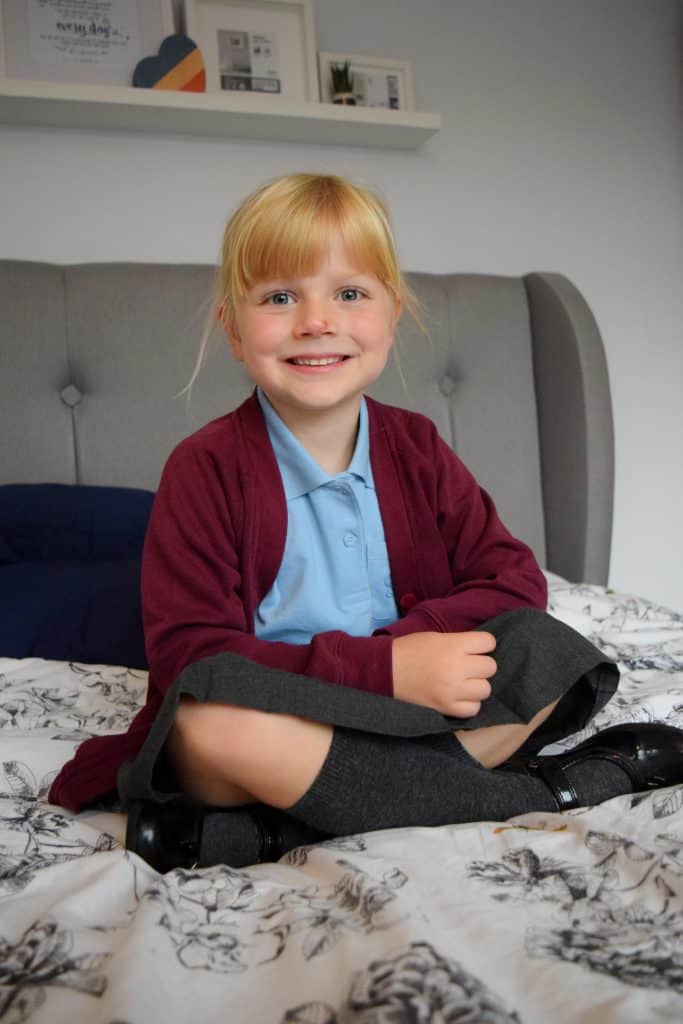
Of course, as things stand, in the midst of a global pandemic, we don’t exactly know what school will look like in September. Transition to your child’s new setting might not happen in the way it would have done previously – this may have included home visits (something I’ve done as a teacher but not something my own children have ever experienced), stay & play sessions, visit from their new teacher in their existing settings – but I can guarantee your child’s new teachers are going to be doing the very best they can to make sure that school is as exciting as possible and that your child settles in quickly!
Regardless of what school looks like for our youngest pupils at the start of the new school year, I wanted to share with you six things that you can teach your child now to help them be ready for school in September.
1. To be able to dress and undress themselves
If you’ve ever tried to get a class of 30 Reception children ready for PE, you’ll know why I’ve put this one at the top of the list! It’s absolutely worth putting the effort in now to make sure your child can get themselves dressed and undressed independently – it will make your life easier of a morning when they can sort themselves out and it will definitely help them in the classroom when they can get themselves ready for PE (or try on the dressing up clothes in the role play area!).
I know that in the short term it’s hard work, and it would be quicker to just do it for them, but it will be worth it in the long run. Yes you’ll still have to help with the odd awkward button on a shirt or zip on a dress, but you’ll be glad you invested that time.
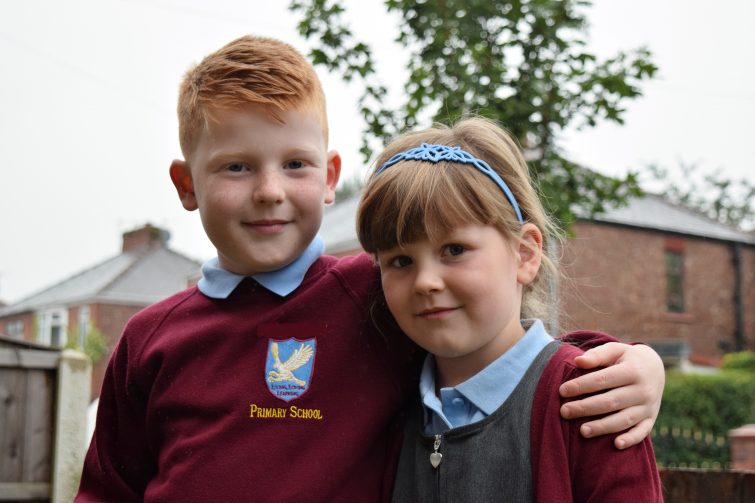
2. Putting on and fastening their own coat
In a similar vein to being able to get dressed by themselves, if they can get their own coat on and fasten it up without help then they will get outside quicker and have more time to play!
Increasingly outdoor play is a really important part of Early Years provision (some schools will provide full outdoor gear including full rain suits and wellies for getting outside in any weather). If your child’s school offers free flow provision meaning they can choose whether they are in or out, and they can’t get their own coat on easily, they may choose to just stay inside and miss out on some fantastic learning opportunities!
There are all sorts of tips and tricks for learning to put on a coat – but my favourite, tried and tested method, is to put the hood on first then go for the sleeves – this means it will always be the right way up and the sleeves in a good position! Once you’ve mastered getting the coat on you can deal with fastening it – zips are a right old pain in the backside for little fingers but again, worth spending the time on!
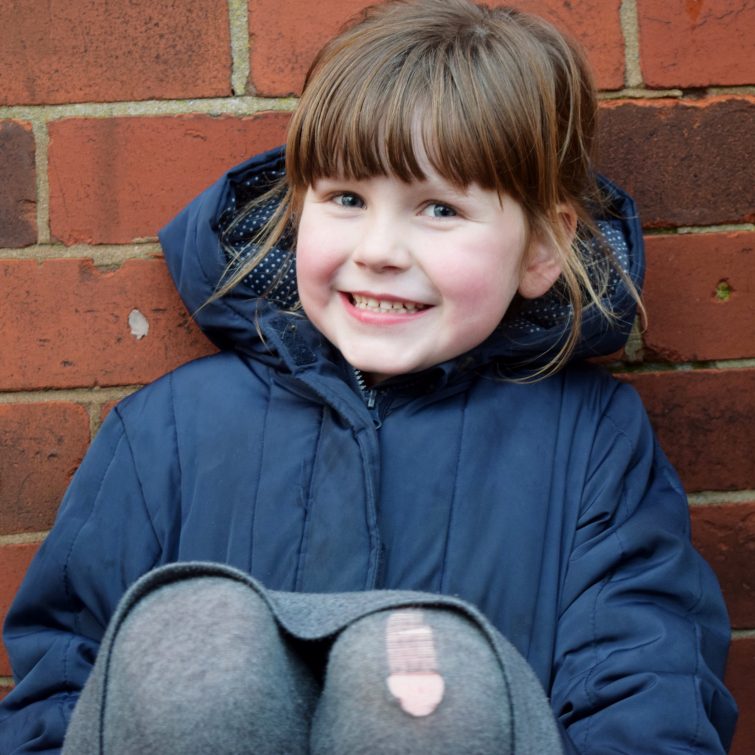
3. To be able to put on their own shoes
Oh look – another lesson in independence! Being able to put their own shoes on will help your child when they’re getting ready for PE (see above) but also for those days where the weather means they’ve had to come to school in alternative footwear, or indeed if they are asked to wear wellies for all-weather outdoor play (something I’m a big fan of). You’d be surprised how often your child might need to take their shoes off during the course of a week!

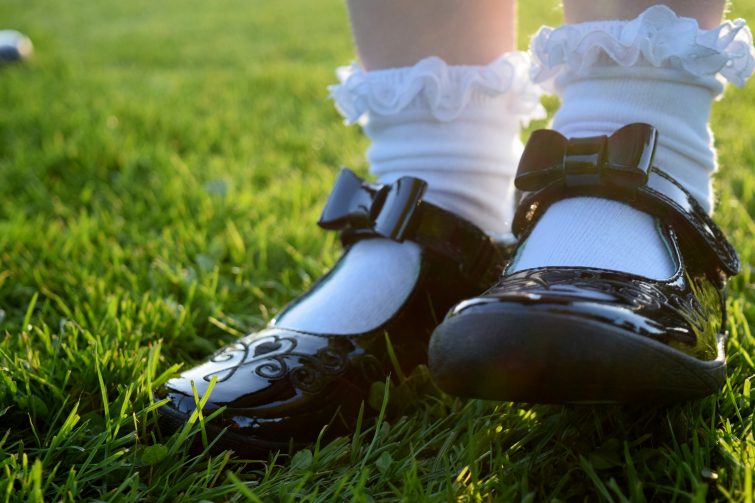
Help your child to know which foot their shoes go on – half a sticker in each shoe to make a whole picture when they are together is a good tip. Make sure they can fasten them – laces aren’t a good idea for most of primary school if I’m honest because even when they do learn to tie laces – which is somewhere between Year 1 and Year 3 in my experience, they aren’t fast enough or accurate enough to be bothered. Velcro shoes are king. (Ben is in Year 6 and still chooses Velcro for school!)
4. Eating with a knife and fork
I once taught a boy in Year 6 to use a knife and fork properly and I will never forget how grateful he was for me sitting and taking the time to do that with him on a school residential. Culturally, he would have eaten with his fingers at home and had just never learned to use a pair of fighting irons.
I remember chatting to colleagues each September about how few children could use their cutlery properly and we were aghast but then I noticed myself, as a Mum, that a lot of the food we gave to the kids when they were younger was either pick it up and eat it (sandwiches, pizza etc) or one-handed, use a fork to shovel it in – pasta based or curry and rice. Dave and I realised that actually, our children weren’t used to holding a knife and fork properly – and even now, in Year 1, we have to remind Amy how to hold and use her knife – she’s far more likely to use her hands.
So yes, if they’re going to be having school dinners (which I would anticipate will be the case with children in Reception, Year 1 and Year 2 are given free school meals), it’s definitely worth making sure they are used to using cutlery or they might struggle with the gravy!
5. To be able to wipe their own bum
I say this a bit tongue in cheek – there are plenty of children who will start school without being toilet trained for one reason or another and that’s fine:
“The Equality Act 2010 states that schools must not discriminate against or disadvantage disabled children or those with special educational needs. A delay in achieving continence – or not being toilet trained – is considered a disability. It is therefore not acceptable for a school to refuse or delay admission to children who are not yet continent.” – Read more here: Eric
But, teaching your child some basic personal hygiene skills – to wipe their own bottom, wash their hands and blow their own nose will go a long way!
6. To know some Nursery Rhymes
Now this might sound like a bit of an odd one, but it’s easy to underestimate the value of Nursery Rhymes and to write them off as being a bit old fashioned but they are actually a really useful learning tool. If your child has a couple of the old favourites like Twinkle Twinkle Little Star, Five Currant Buns or Baa Baa Black Sheep in their repertoire, they’ll be off to a good start.
Starting school feels like a really big deal because it is a really big deal. It’s a huge change for both you and your little one but it’s also a really exciting new chapter. Teaching your child the skills I’ve mentioned above, or even just starting to have a go at them, will help them to put their best foot forward in September, feeling independent and settled in their new school.
Good luck – and if you need to ask anything, please drop me a comment below or give me a shout on twitter – as a mum of three and a teacher of nearly 20 years, I know what things are like on both side of the school gate so I’m always happy to chat.



Super useful tips. Some of them so obvious that none of us would have thought of them! Thank you.